Dyeing and Printing
Types of Dyeing & Printing Products
Explore our diverse range of industrial chemical categories, each designed to meet specific manufacturing and processing requirements.
Dispersing & Leveling Agent
Dispersing and leveling agents ensure uniform dye application by preventing particle aggregation and controlling absorption rates. The dispersing function maintains stable dye suspension, eliminating clumping that causes specks or uneven color. The leveling action regulates dye migration into fibers, preventing rapid uptake in some areas while others remain undyed. Together, these functions deliver consistent shade across the entire fabric surface, eliminating streaks, patches, and tone variations that result from uncontrolled dyeing.
Dye Bath Conditioner
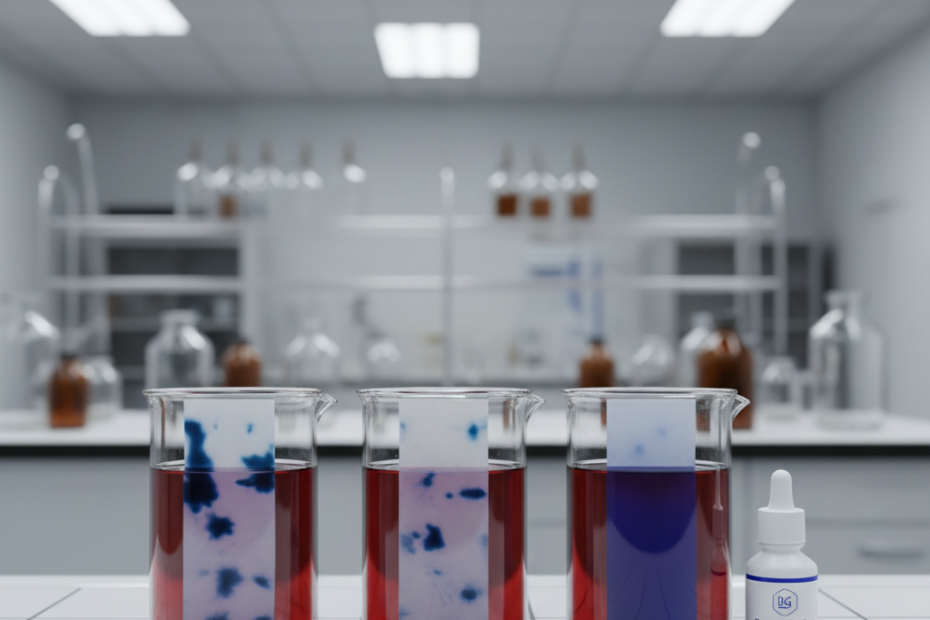
Dye Bath Conditioner tackle hard water minerals, balance acidity levels, and keep conditions stable so dyes react evenly. Without dye bath conditioner, you’re gambling on water quality—sometimes you’ll get great results, other times the same recipe produces off-shades or patchy color because the chemistry wasn’t right.
Anti-Frothing
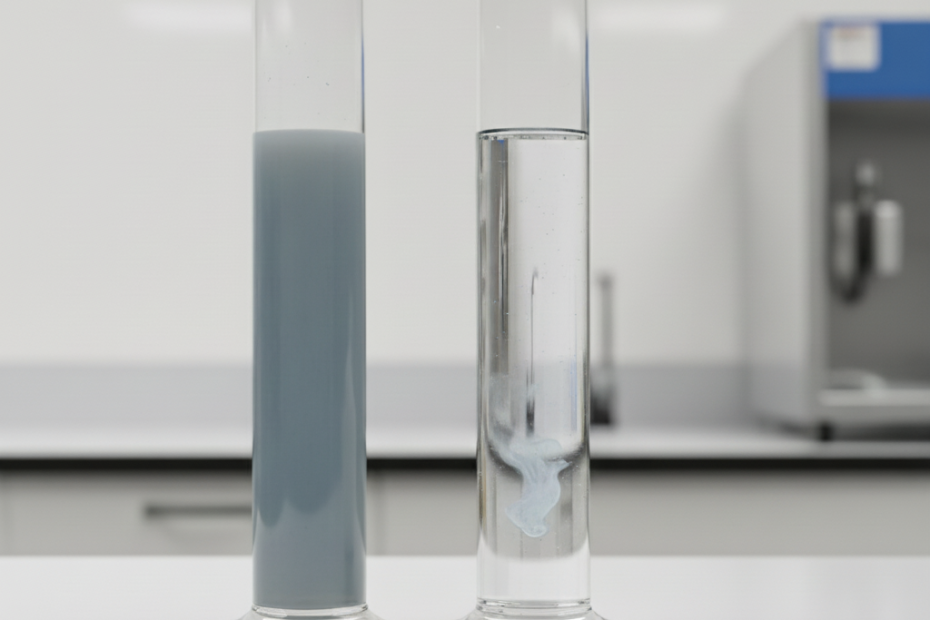
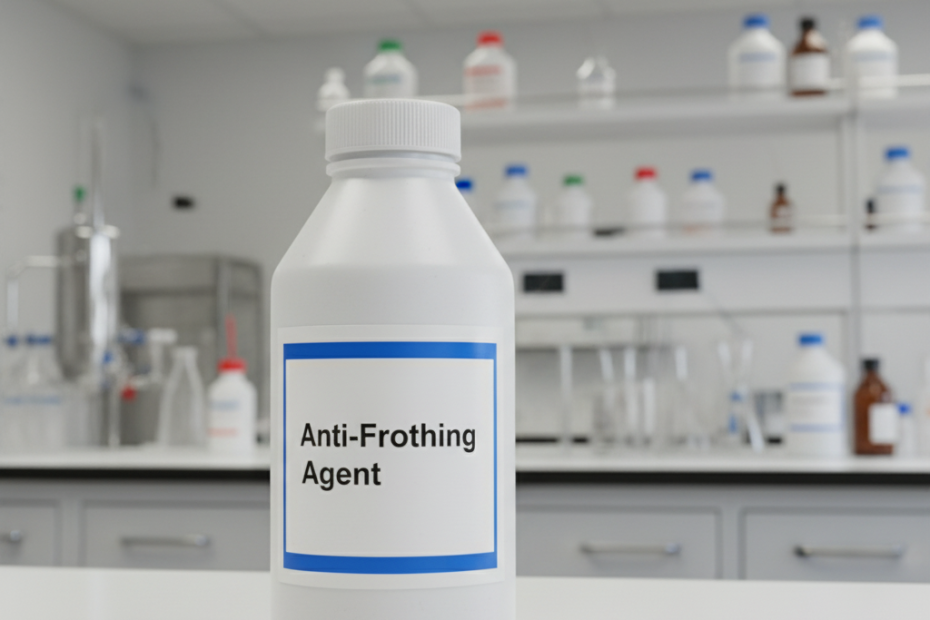
Anti-frothing agents are essential for keeping dyeing & printing operations running smoothly. Foam buildup reduces dye penetration, causes uneven coloring, and messes with machine sensors and controls. These defoamers work fast to clear foam without affecting your dye chemistry, ensuring proper fabric wetting and consistent color uptake across the entire batch.
Fixer & Cross linking Agent
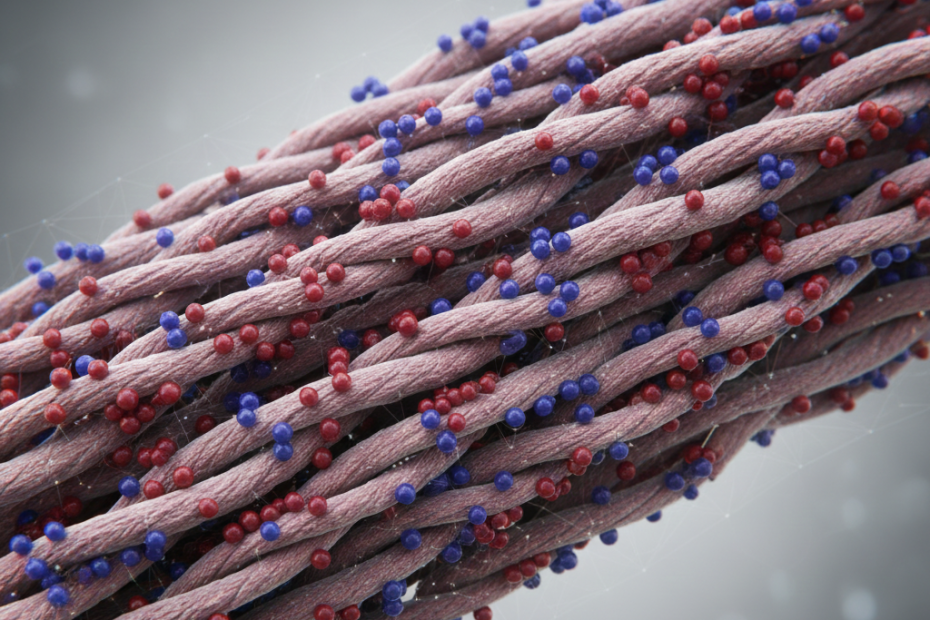
Fixer and cross-linking agents are essential components in the textile dyeing and printing industry. These agents improve the fastness properties of dyes—especially reactive, direct, and pigment dyes—by chemically bonding them to the fabric fibers or enhancing film formation. Cross-linkers also aid in improving the wash, rub, and light fastness of printed or dyed materials while ensuring durability and stability throughout the product lifecycle.
Loop Accelerator
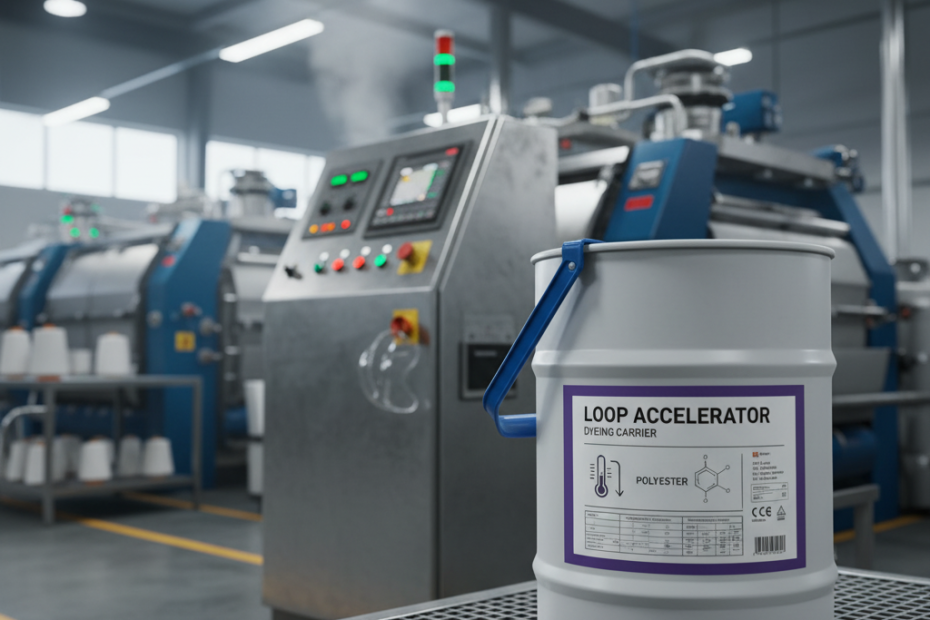
Loop accelerators lower the temperature required for dyeing polyester by temporarily increasing fiber permeability to disperse dyes. Polyester’s compact structure normally requires temperatures exceeding 130°C for adequate dye penetration, but carriers enable effective dyeing at atmospheric pressure around 100°C. They work by swelling the polymer and creating pathways for dye migration, reducing energy costs while maintaining acceptable color depth and fastness. This makes polyester dyeing accessible with conventional equipment rather than requiring specialized high-temperature machinery.
Washing Off
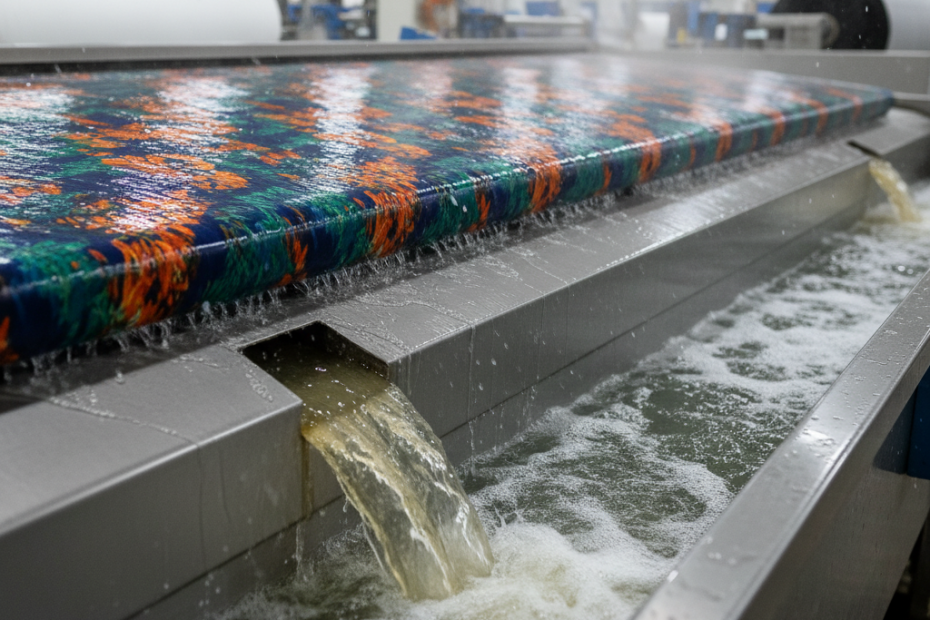
Washing off agents remove unfixed dyes and processing residues from dyed fabrics through selective cleaning action that preserves bonded color. They employ surfactant systems that lift loose dye particles and contaminants from fabric surfaces while leaving properly fixed dyes intact. These agents also prevent backstaining by keeping removed dye suspended in the wash bath rather than allowing redeposition. Thorough washing off is essential for achieving commercial fastness standards and preventing color bleeding during garment use and laundering.
Dye Fixing
Dye fixing agents improve the wash fastness and color retention of dyed fabrics by creating barriers that prevent dye migration. They work through chemical bonding or polymer film formation that locks dyes permanently into fiber structures, preventing color loss during laundering and reducing dye transfer to other materials. This treatment is critical for reactive and direct dyes that have moderate inherent fastness, transforming them into wash-durable colors that meet commercial performance standards and maintain vibrancy through repeated use.
Binder
Binders function as polymer adhesives that bond pigments to textile surfaces during printing. Since pigments have no chemical affinity for fibers, binders create a physical attachment by forming a cured film that encapsulates pigment particles and adheres to fabric. This film must deliver strong wash fastness and abrasion resistance while maintaining fabric flexibility and softness. The binder’s performance directly determines print durability, color retention, and hand-feel of the finished product.
Thickener
Thickener increase the viscosity of printing pastes to prevent color spreading and maintain design definition on fabric. They create a gel matrix that holds pigments or dyes in place during application, ensuring sharp pattern boundaries and preventing colors from bleeding together. The thickener must provide adequate flow control for the printing method being used while releasing color effectively during fixation and washing out cleanly afterward. Selection depends on substrate requirements, printing technique, and desired penetration depth into the fabric structure.
Anti- Back Staining Agent
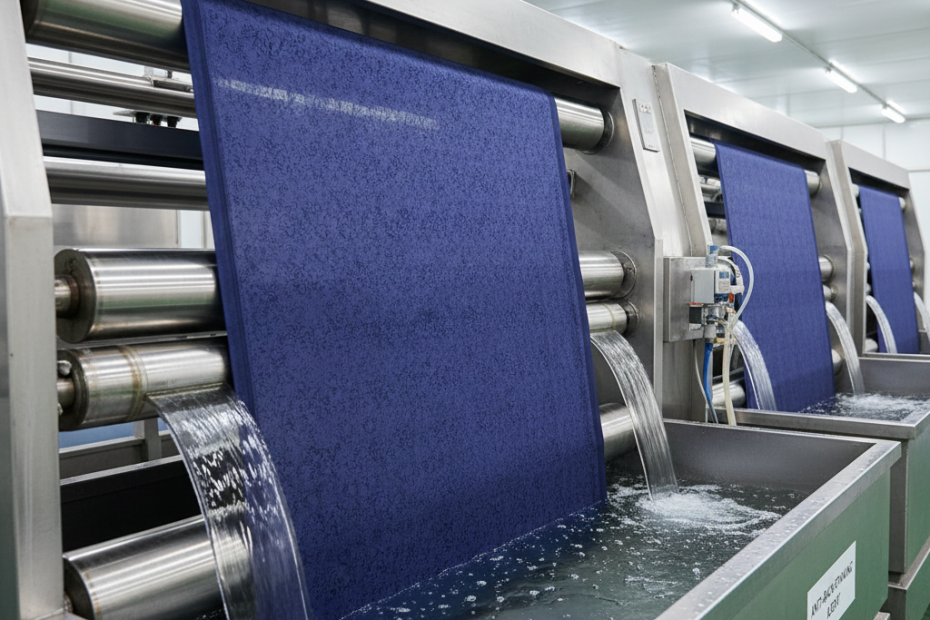
Anti-back staining agents prevent a problem that happens during washing—dye that’s been removed from fabric tends to float around in the bath and redeposit wherever it touches, creating uneven patches or staining lighter areas. These agents work by forming complexes with loose dye molecules and keeping them suspended in the wash water, so they flow away with the rinse instead of settling back onto the fabric.
Khadi
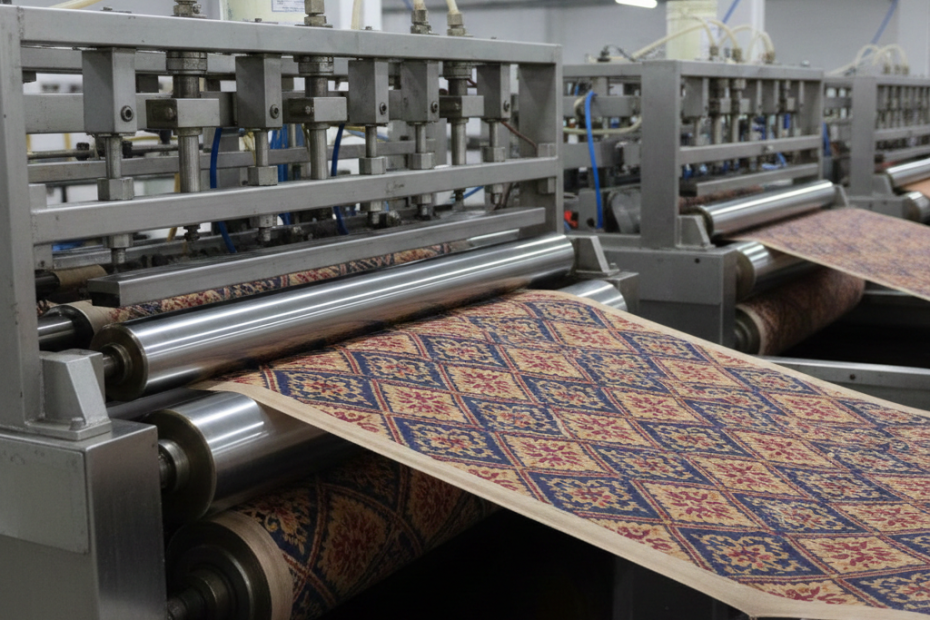
Khadi is used for vibrant and bright printing on cotton and reyon. Khadi is a white paste that is used to print on fabrics as it is or with pigments. Khadi is a ready to use product. Khadi can be used in rotary printing , flat belt printing and block printing . It is widely used and most accepted in the textile market.
Need Technical Support?
Our technical team is ready to help you select the right industrial chemicals
for your specific applications and requirements.
About
Leading manufacturer of high-quality chemical products, serving industries worldwide with excellence and innovation.