Skip to content

Pretreatment

Types of Pretreatment Products

Explore our comprehensive range of pretreatment chemical categories, each

designed to meet specific analytical and research requirements.

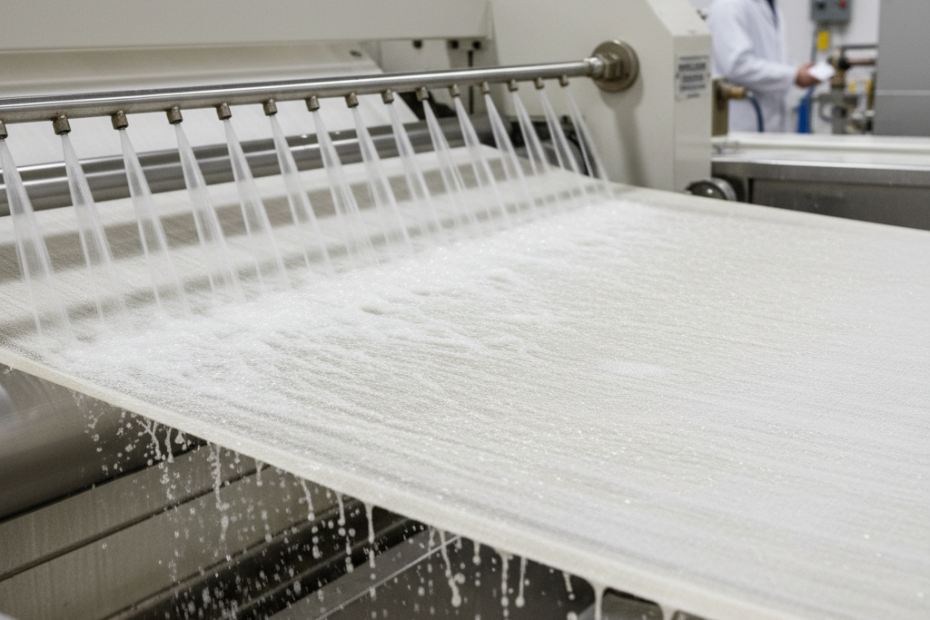
Mercerizing Wetting Agents

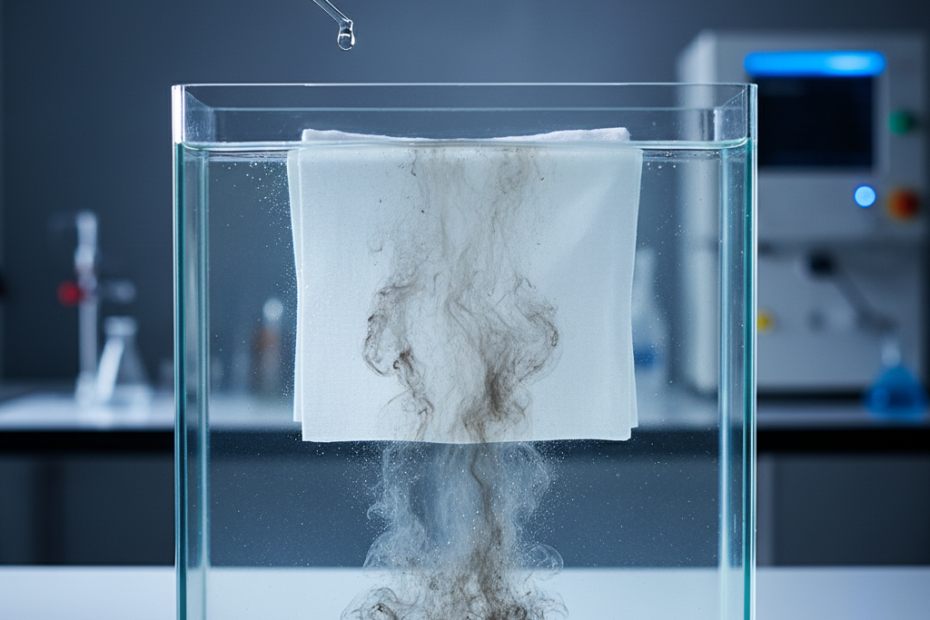
Mercerizing wetting agents are specially formulated for rapid and uniform wetting of cotton fabrics during the mercerization process. These agents improve fabric luster, dye uptake, and dimensional stability by ensuring complete penetration of caustic soda into the fiber. Our range is engineered for modern mercerizing machines, ensuring high efficiency and minimal foaming.

Doss Based Wetting Agents (Liquid form)

These wetting agents helps greige absorbs treatment solutions rapidly.

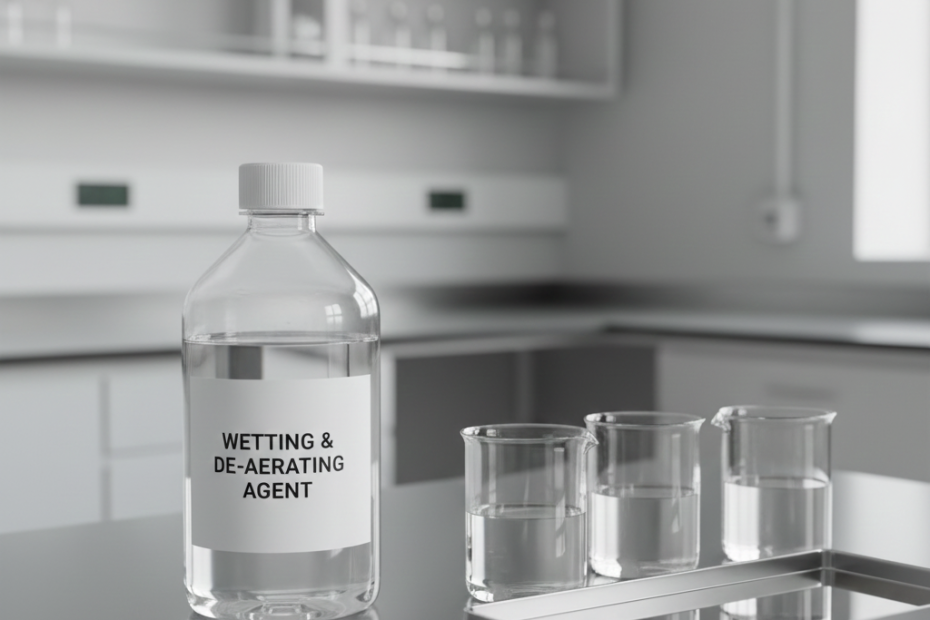
Wetting and De-Aerating Agent

De-aerating agents remove trapped air from treatment baths and fabric structures that would otherwise create barriers to uniform processing. Air pockets cause uneven dye penetration, light spots, and inconsistent chemical absorption. These agents work by destabilizing bubble formation and forcing air release, ensuring complete liquid-to-fiber contact throughout the process. The result is uniform treatment without the defects that trapped air typically causes, especially important in high-speed or continuous processing operations

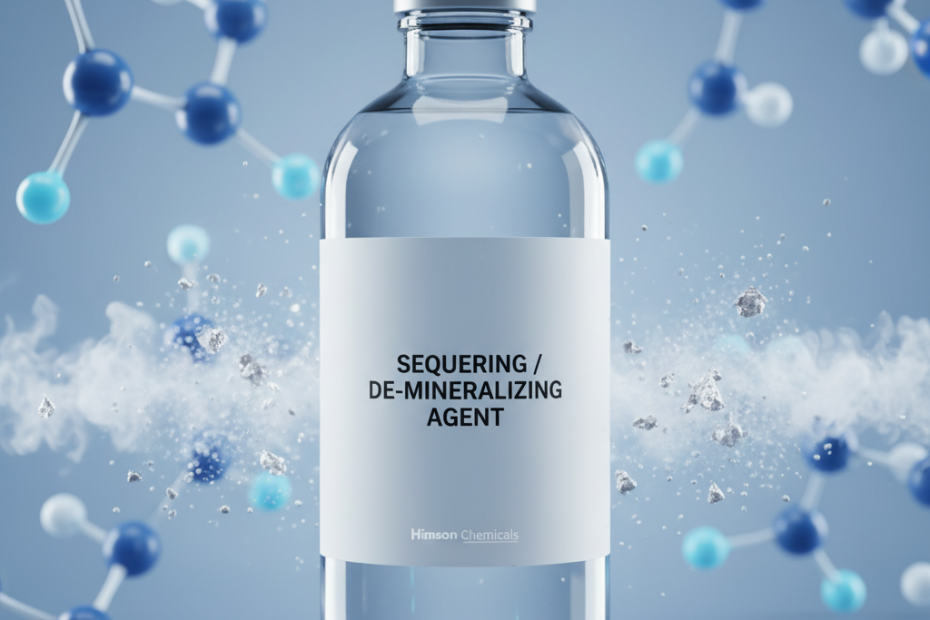
Sequestering/ De-Mineralizing Agent

Sequestering agents neutralize the harmful effects of dissolved minerals in processing water. Hard water metals like calcium, magnesium, and iron interfere with dye uptake, cause spotting, and reduce chemical effectiveness. These agents bind metal ions into inactive complexes that stay dissolved and harmless, preventing precipitation on fabric and ensuring consistent dyeing results. This protection is essential when water quality varies or when working with metal-sensitive dyes and processes that require precise chemical control.

Eco Friendly Wetting & Scouring Agent

These specialized wetting agent gives effective fabric cleaning with foam control, which is essential for automated and high-speed textile processing. They penetrate fibers quickly to remove natural oils, sizing residues, and manufacturing contaminants, but unlike conventional scourers.  Some products from these range which is low foaming makes them ideal for jet dyeing equipment, overflow machines, and continuous processing lines where foam buildup would cause operational issues or inconsistent results.
Doss Based Wetting Agents (Paste form)

These wetting agents helps greige absorbs treatment solutions rapidly.

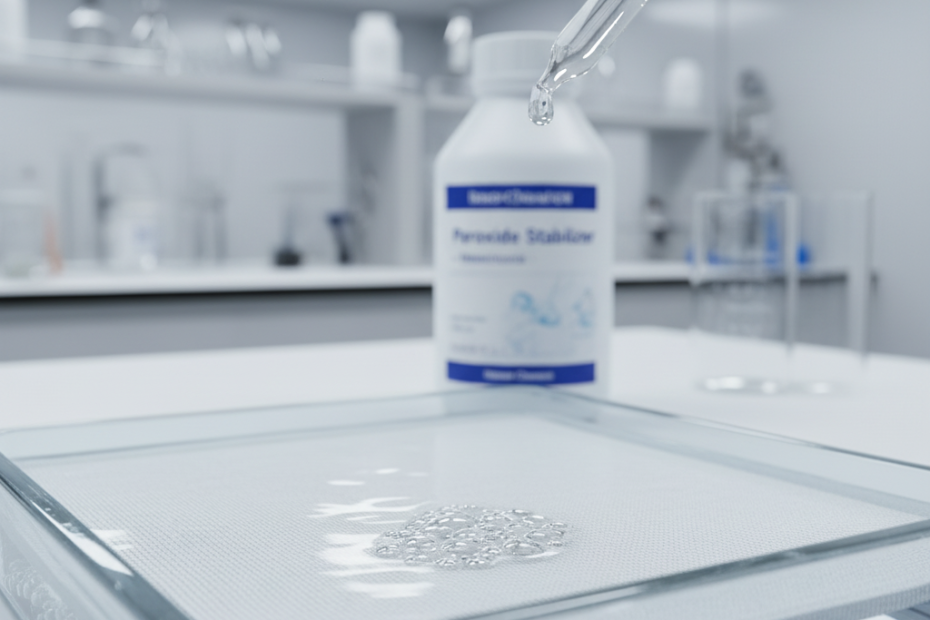
Peroxide Stabilizer

Peroxide stabilizers control hydrogen peroxide decomposition during bleaching to prevent premature oxygen release and fiber damage. Uncontrolled peroxide breakdown creates harsh localized reactions that weaken cellulose and waste bleaching potential. These stabilizers moderate the reaction rate, allowing gradual, uniform bleaching that achieves better whiteness with minimal strength loss. They’re critical for maintaining process efficiency and fabric quality, especially in high-temperature operations where peroxide naturally decomposes rapidly.

Lubricating Agent

Lubricant agents are essential chemical components used to improve fiber-to-metal and fiber-to-fiber friction during various textile processing operations. These agents reduce mechanical damage, prevent static generation, and improve fabric softness and handle. They play a vital role in ensuring smooth movement of fibers and yarns throughout spinning, weaving, knitting, and finishing operations.

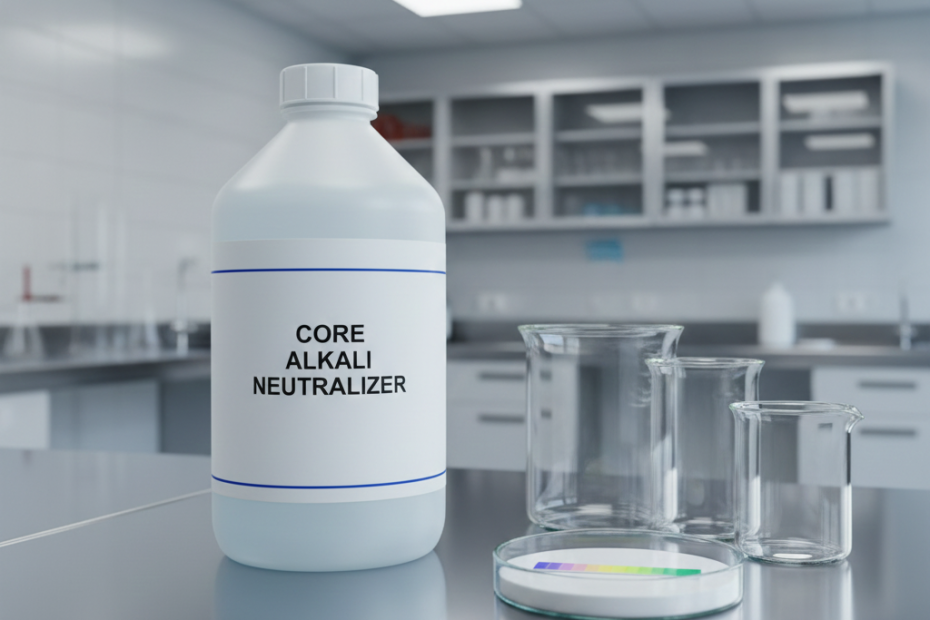
Core Alkali Neutralizer

Core alkali neutralizers provide deep penetration to neutralize caustic residues trapped inside yarn cores and tight fabric constructions after mercerizing or scouring. Surface rinsing and standard neutralizers can’t reach these hidden alkali pockets, which then cause fiber damage, uneven dyeing, and pH problems in later processing. These specialized formulations penetrate fiber interiors completely, converting residual caustic into harmless neutral salts and preventing the quality issues that incomplete neutralization creates.

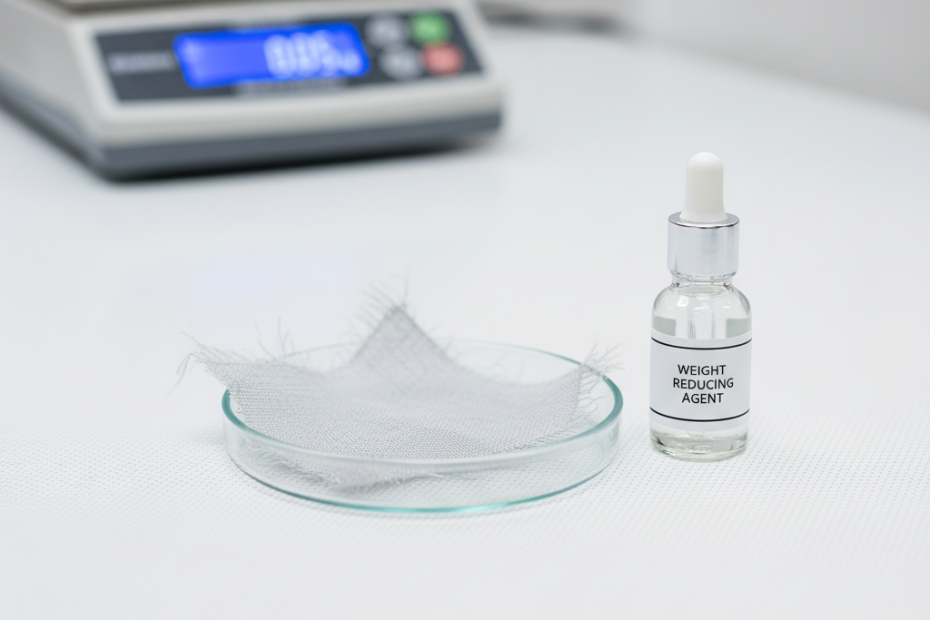
Weight Reduction Accelerator

Weight reduction accelerator actually helps to clean away polyester fibers at the surface in a controlled way, which makes the fabric lighter and less stiff. The process opens up the fiber structure so it feels softer, drapes better, and takes dye more easily—basically turning rough synthetic material into something you’d actually want to wear.”

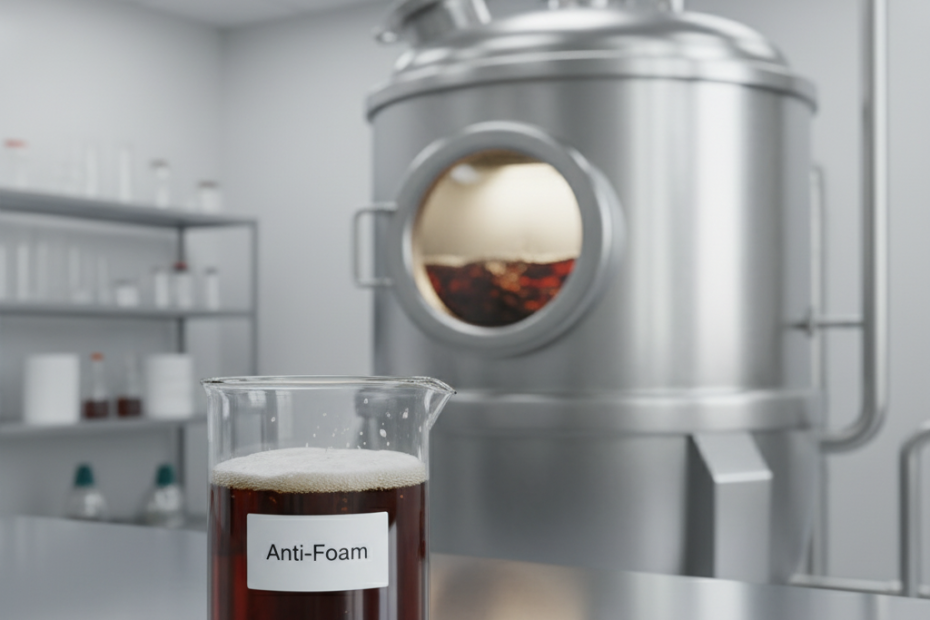
Anti Foam

Anti-foam agents eliminate problematic foam that develops in textile processing baths. Foam interferes with equipment performance, causes measurement errors, and prevents proper chemical contact with fabrics. Our defoamers work across pretreatment, dyeing, and finishing applications to keep your production running efficiently.

Peroxide Killer

Peroxide killers neutralize residual hydrogen peroxide remaining after bleaching to prevent interference with subsequent processing. Leftover peroxide destroys sensitive dyes, causes shade variations, and degrades optical brighteners or finishing agents. These neutralizing agents react rapidly with peroxide residues, converting them to inactive compounds and ensuring fabric is ready for dyeing or finishing without oxidative interference. They’re essential for process reliability when working with peroxide-sensitive chemistries.

Need Laboratory Support?

Our laboratory specialists can help you select the right reagents and provide

technical support for your analytical needs.

About

Leading manufacturer of high-quality chemical products, serving industries worldwide with excellence and innovation.